October 8, 2026
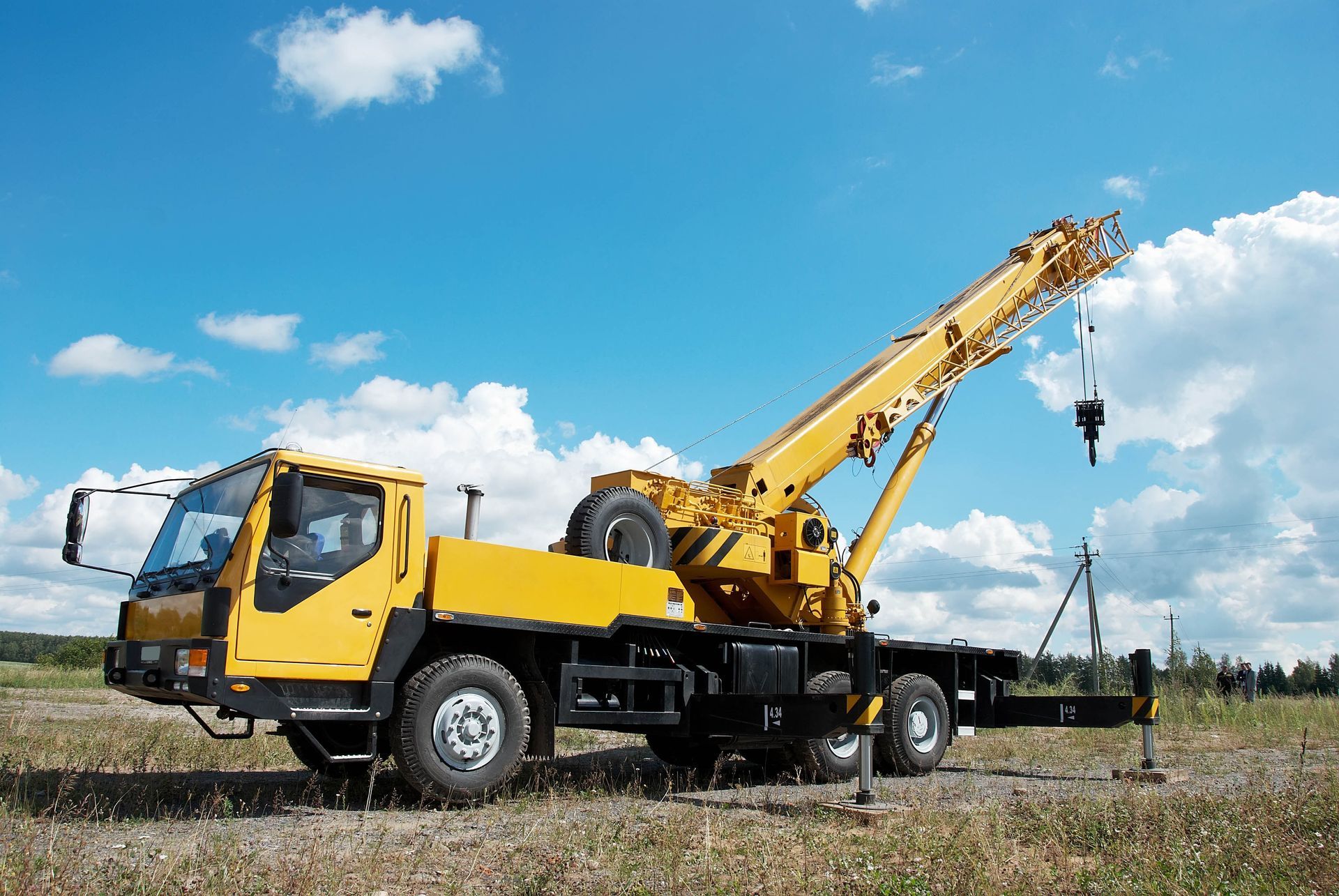
Maintaining a fleet of diesel trucks requires careful planning to balance vehicle performance, reliability, safety, and operating costs. Modern diesel engines contain complex mechanical and electronic systems, while commercial trucks often operate under demanding conditions that accelerate ordinary wear. When routine maintenance is overlooked, seemingly minor problems can develop into breakdowns that interrupt schedules and increase repair expenses. A structured maintenance program can help fleet managers recognize developing concerns and determine when diesel truck repair may be necessary. By avoiding common maintenance mistakes, operators can support longer vehicle life, improve day-to-day reliability, and keep trucks available for the work they are expected to perform.
Regular Inspections and Preventive Maintenance
Routine inspections provide an important foundation for effective fleet maintenance. Scheduled walk-around inspections give drivers and maintenance teams an opportunity to identify visible problems before vehicles return to demanding operating conditions. Tires, lights, mirrors, fluid levels, hoses, belts, and exterior components should be examined regularly. Small concerns such as a slow fluid leak, damaged tire, or loose component can become more serious when ignored. Consistent inspections also give fleet managers a clearer understanding of each vehicle's condition rather than relying solely on mileage intervals or waiting for obvious mechanical symptoms.
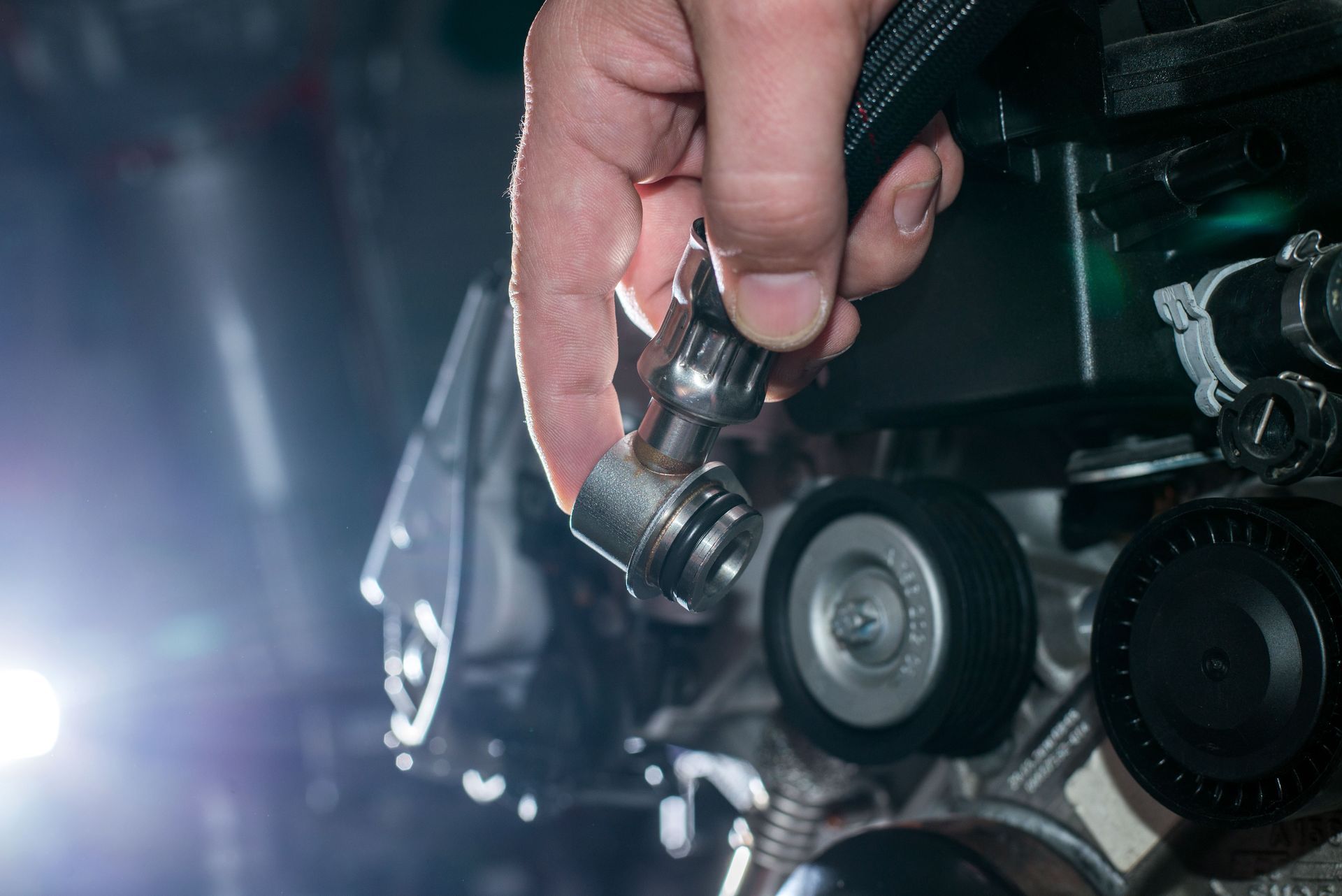
Engine and transmission checks deserve particular attention because these systems directly influence truck performance. Fuel injectors, turbochargers, cooling components, filters, and fluids can deteriorate gradually, sometimes without creating immediate performance problems. Changes in engine sound, exhaust, acceleration, temperature, or fuel consumption may provide early indications that something requires attention. Addressing these warning signs through maintenance or diesel truck repair can help prevent a developing problem from affecting additional components.
Brake and tire inspections are equally important. Commercial trucks place considerable demands on braking components, making inspections of pads, rotors, drums, lines, and related parts essential. Tires should be checked for tread depth, pressure, uneven wear, cuts, bulges, and other visible damage. Alignment issues can also accelerate tire wear and influence handling. Maintaining these systems supports safer operation while reducing the likelihood that preventable wear will create unnecessary downtime.
Dashboard Warnings and Early Intervention
Modern trucks use dashboard indicators and onboard monitoring systems to communicate information about vehicle performance. Warning lights should not be dismissed simply because a truck continues to operate normally. Depending on the system involved, an indicator may point to an emissions concern, low fluid level, electrical fault, engine problem, or another condition requiring diagnosis. Drivers should understand common dashboard warnings and have a clear procedure for reporting them. Prompt diagnostic testing can help determine whether immediate diesel truck repair is appropriate or whether the issue can be addressed during scheduled maintenance.
Fleet operators can also establish procedures for documenting unusual noises, vibrations, odors, handling changes, and other symptoms. These observations may provide valuable information even when a dashboard warning has not appeared. Recording when a symptom occurs, such as during acceleration, braking, shifting, or idling, gives technicians additional context when diagnosing a problem. Early intervention can reduce uncertainty and help prevent minor mechanical concerns from progressing unnoticed.
Maintenance Records and Service Scheduling
Detailed records provide a historical view of each truck's maintenance and repair activity. Documentation can include oil changes, filter replacements, tire rotations, brake work, fluid services, inspections, component replacements, and previous repairs. Accurate records allow fleet managers to identify recurring problems and determine whether individual trucks are requiring increasingly frequent attention. They can also help managers compare maintenance costs across vehicles and plan future service requirements more effectively.
Repair logs should be updated whenever work is completed. Incomplete documentation can result in duplicated services, missed maintenance intervals, or uncertainty about when a component was last replaced. Electronic fleet management systems can simplify this process by centralizing records and creating reminders for upcoming services. Automated alerts based on mileage, operating hours, dates, or other criteria can help managers schedule preventive work before a truck becomes overdue. These records also provide technicians performing diesel truck repair with useful background information about previous symptoms and completed work.
Technician Training and Maintenance Knowledge
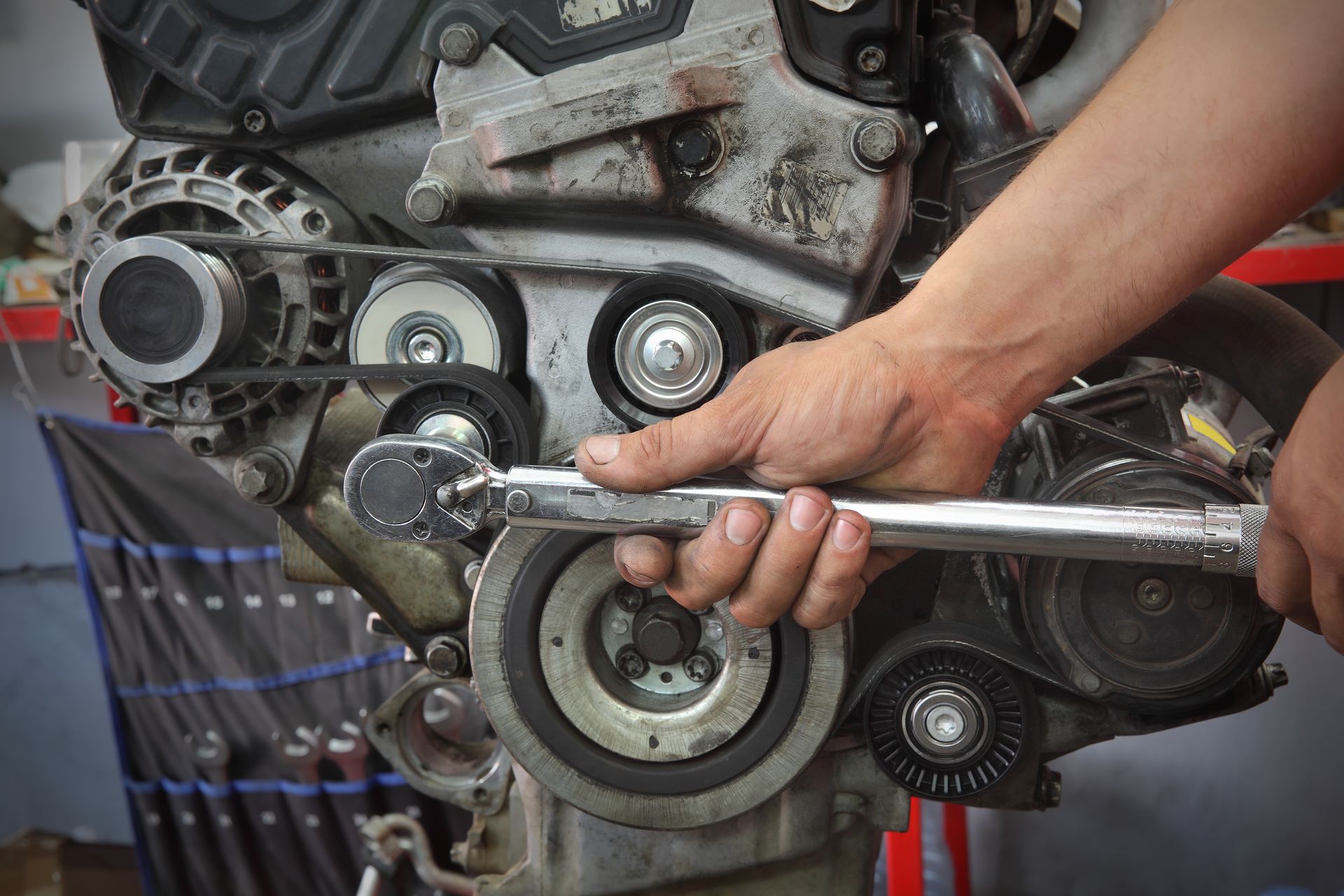
Diesel technology continues to evolve, making ongoing technician education an important part of fleet maintenance. Modern trucks can incorporate sophisticated emissions equipment, electronic control modules, sensors, diagnostic software, advanced transmissions, and manufacturer-specific systems. Technicians who understand these technologies are better positioned to diagnose problems accurately and complete appropriate repairs. Training can include diagnostic equipment, software updates, new repair procedures, and changing manufacturer recommendations.
Manufacturer-specific workshops can provide additional knowledge about systems unique to particular truck makes and models. This can be especially valuable for fleets containing several vehicles from the same manufacturer. Training maintenance personnel to follow appropriate procedures may reduce misdiagnosis and unnecessary parts replacement. When specialized expertise or equipment is required, working with qualified diesel truck repair professionals can provide another option for addressing complicated mechanical or electronic problems.
Training should also extend beyond technicians. Drivers and other fleet employees can benefit from learning basic inspection procedures, warning signs, and reporting expectations. A driver who recognizes an unusual sound, leak, temperature change, or shifting problem may be able to report the issue before extensive damage develops. Creating clear responsibilities for reporting and maintenance encourages greater consistency throughout fleet operations.
.
Lubrication and Component Protection
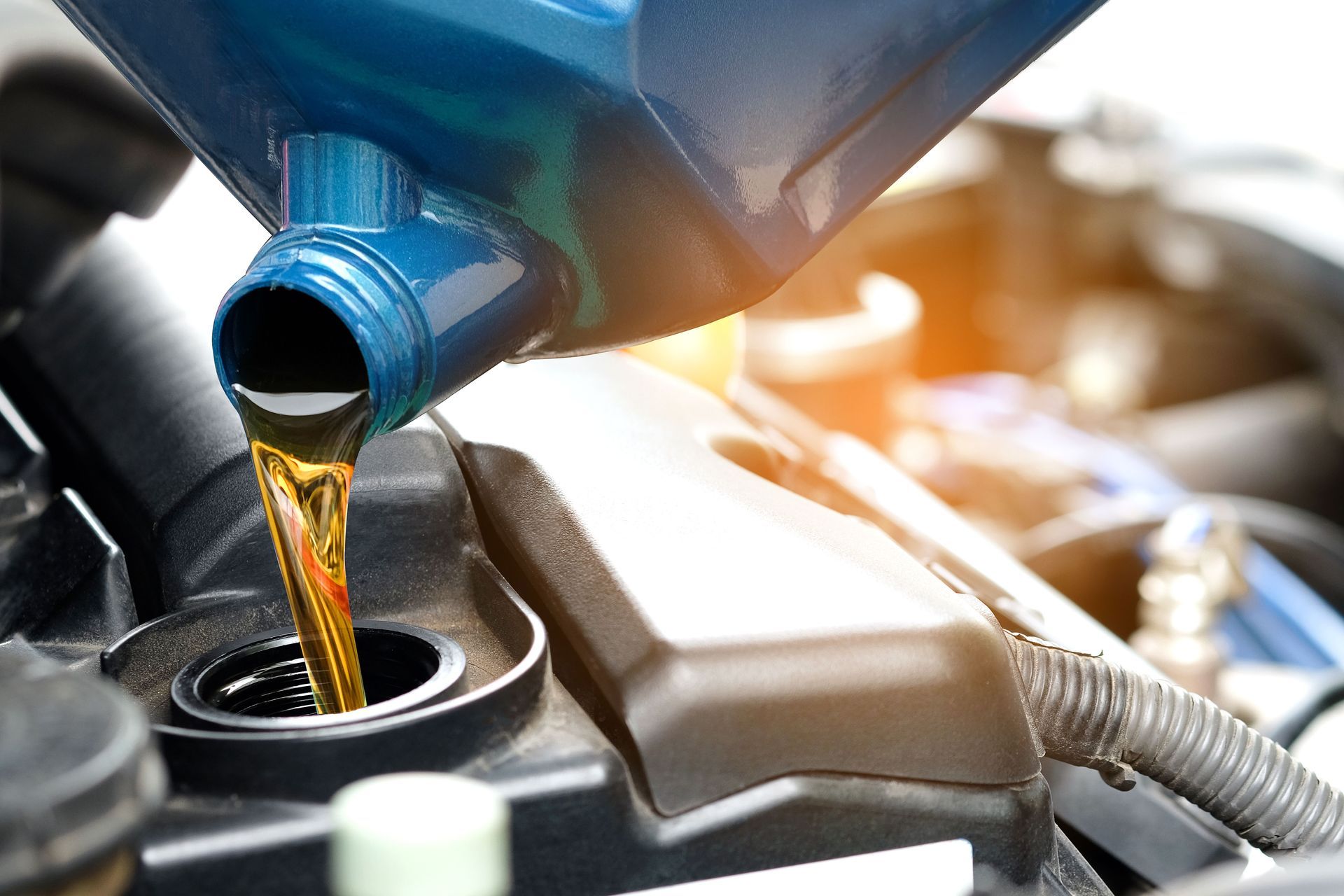
Proper lubrication helps reduce friction and wear throughout numerous truck components. Different systems may require specific lubricants formulated for their operating temperatures, loads, and mechanical requirements. Using an incorrect product can interfere with performance or contribute to premature component wear. Fleet managers and technicians should follow manufacturer specifications when selecting lubricants and determining appropriate service intervals.
Consistent application is just as important as selecting the correct lubricant. Irregular lubrication schedules can allow friction and heat to increase, potentially damaging moving components. Maintenance personnel should also watch for symptoms such as unusual noises, excessive heat, changes in performance, or abnormal wear. These signs do not always indicate a lubrication problem, but they can justify further inspection. Identifying the underlying cause early may reduce the extent of eventual diesel truck repair and help preserve related components.
Transmission and Gearbox Maintenance
Transmission and gearbox systems operate under substantial loads and require regular attention. Fluid condition and level should be inspected according to manufacturer recommendations because contaminated, degraded, or insufficient fluid can affect lubrication and temperature control. Leaks should also be investigated rather than repeatedly topping off fluid without identifying the source. Preventive transmission maintenance can help protect internal components and support smoother vehicle operation.
Drivers and technicians should remain alert to slipping gears, delayed engagement, unusual noises, vibrations, fluid leaks, or noticeable changes in shifting behavior. These symptoms can have several possible causes, making accurate diagnosis important. Ignoring them may allow a manageable concern to progress into a more extensive mechanical problem. Timely diesel truck repair can address identified transmission concerns before they contribute to longer downtime or damage involving additional components.
Gearbox seals, fluid levels, mounting points, and related components should also be incorporated into scheduled inspections. Because modern transmissions can involve complex electronic and mechanical systems, some problems require specialized diagnostic equipment. Maintenance teams should understand the limits of routine in-house servicing and know when a truck requires more advanced testing.
Fleet managers can strengthen this approach by establishing clear schedules, documenting completed work, reviewing vehicle data, and encouraging drivers to report changes promptly. When maintenance teams combine preventive care with timely diesel truck repair, they can make more informed decisions about individual vehicles while reducing avoidable disruptions. A consistent approach to maintenance ultimately helps fleets protect equipment, manage repair costs, support safer operation, and keep trucks prepared for the demands of regular service. Contact our team at FAS Diesel LLC today and learn more about our diesel truck repair services.