April 9, 2026
Maintaining a heavy-duty vehicle requires a constant awareness of how the machine feels and sounds during operation. When a diesel engine begins to fail, it rarely happens without warning. Recognizing the early red flags can prevent a minor mechanical hiccup from spiraling into a catastrophic engine failure that leaves you stranded. Proactive monitoring of performance changes allows operators to address underlying issues before they result in expensive repairs or prolonged downtime.
Excessive Exhaust Smoke Colors
The color of the smoke exiting your tailpipe is a direct communication from your internal combustion process. Blue smoke typically indicates that the engine is burning oil, often due to worn piston rings or valve seals. This signifies that vital lubricants are escaping their designated channels, which can lead to friction damage if you do not seek diesel engine service quickly. Persistent oil consumption will eventually foul your sensors and degrade the overall health of your after-treatment components.
White smoke usually points toward coolant entering the combustion chamber or a timing issue with the fuel injectors. If the smoke is thick and smells sweet, it is almost certainly a coolant leak, which puts the engine at risk of overheating. Ignoring this specific sign often results in cracked head gaskets or warped engine blocks that require extensive professional intervention. Proper thermal management depends on a sealed system that prevents these fluids from mixing during the combustion cycle.
Black smoke is the most common sight and generally represents an improper air-to-fuel ratio. This often stems from a clogged air filter, a failing turbocharger, or malfunctioning injectors that are "over-fueling" the cylinders. While some might think a little soot is normal, persistent black smoke reduces fuel economy and suggests that a professional diesel engine service is necessary to balance the system. High concentrations of particulate matter in the exhaust will quickly plug your filters and lead to a forced shutdown of the vehicle.
Hard Starting and Power Loss
A diesel engine relies on high compression and precise fuel delivery to roar to life. If you find that the engine cranks for an extended period before starting, it is a sign that the compression is low or the fuel system is struggling to build pressure. This delay puts immense strain on your starter motor and batteries, leading to secondary electrical failures over time. Consistent difficulty during ignition indicates that the vital balance of heat and pressure is no longer meeting the necessary threshold for a clean start.
Once the vehicle is running, a noticeable drop in power under load is a major red flag. If your truck struggles to maintain speed on inclines or feels sluggish when merging onto the highway, the engine is likely suffocating or starving for fuel. Professional diagnostics are required to determine if the issue lies within the high-pressure fuel rail or a restricted exhaust system. When the engine cannot translate fuel into kinetic energy effectively, the mechanical stress on the drivetrain increases significantly.
Increased fuel consumption usually accompanies a loss of power as the system tries to compensate for inefficiency. When the miles per gallon rate drops significantly without a change in cargo weight, the internal components are working harder than intended. Scheduling a diesel engine service can help identify the root cause of this parasitic power loss before the engine stalls completely. Restoring the original torque and horsepower ratings is essential for keeping your operation profitable and on schedule.
Unusual Engine Noises
Diesel engines are naturally louder than gasoline engines, but an experienced operator knows the specific rhythm of their machine. A sudden metallic knocking or "pinging" sound often indicates a timing issue or a faulty fuel injector. These sounds suggest that fuel is igniting at the wrong moment, which creates shockwaves that can shatter pistons or bend connecting rods. If you notice these jarring percussive sounds, the internal components are likely experiencing extreme stress that will lead to total mechanical failure.
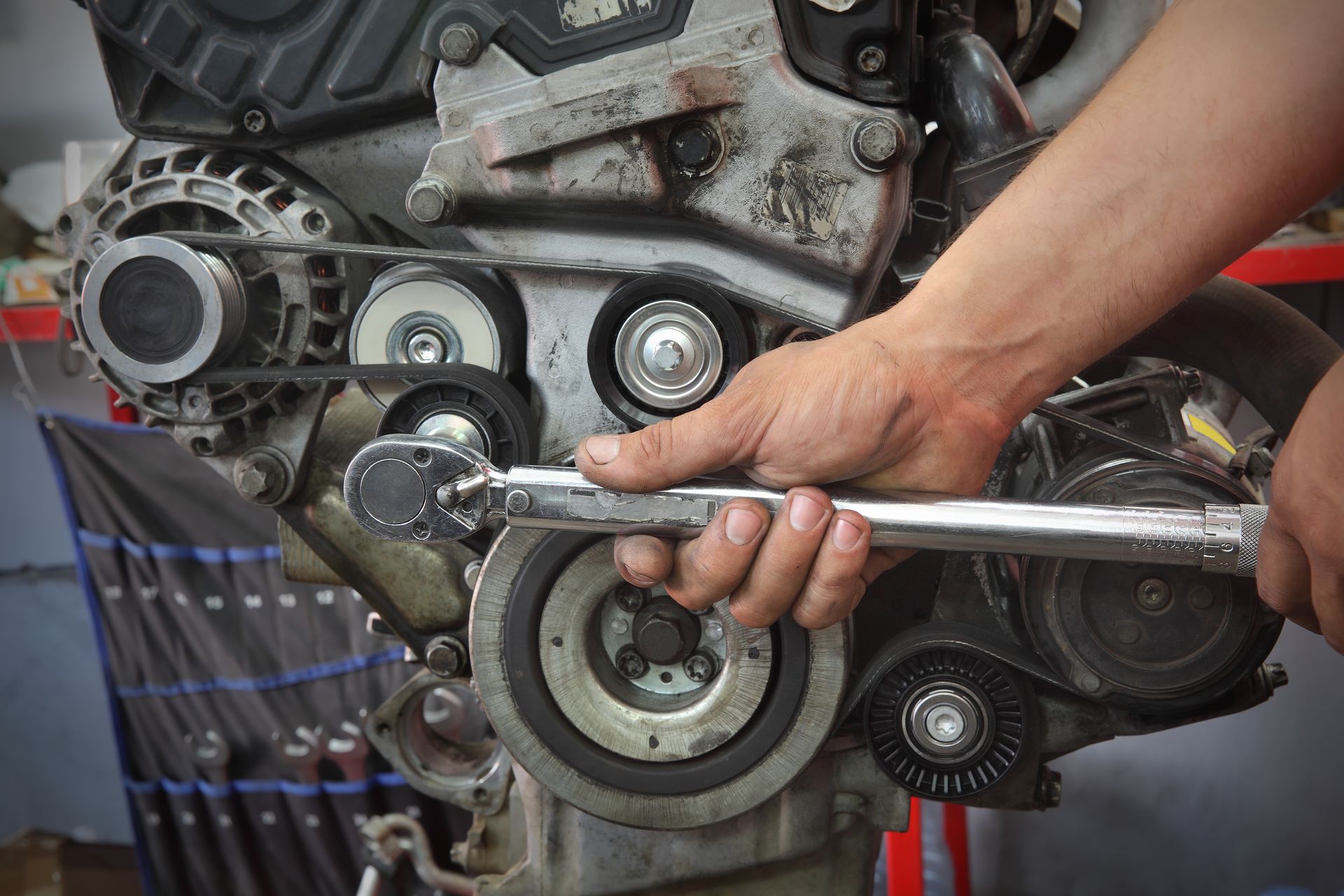
Squealing or chirping sounds usually originate from the accessory belt system or a failing water pump bearing. While these might seem like external issues, a seized water pump will cause an immediate overheat, while a snapped belt can take out the cooling fan and alternator. These auditory warnings are the engine's way of asking for a comprehensive diesel engine service to prevent a total breakdown.
Grinding noises during acceleration or deceleration can point toward turbocharger failure or internal bearing wear. Because the turbocharger spins at incredibly high revolutions per minute, any structural instability can lead to metal shards being sucked directly into the intake. Professional technicians use specialized equipment to listen to these frequencies and pinpoint exactly which internal component is reaching its breaking point.
Fluctuating Oil and Coolant Levels
According to IBISWorld, the United States has 42,299 businesses in the Truck Repair industry. This vast network exists because fluid management is the most critical aspect of engine longevity. If you notice that your oil levels are rising on the dipstick, it often means that fuel or coolant is leaking into the oil pan. This dilutes the lubricant and will lead to rapid engine destruction.
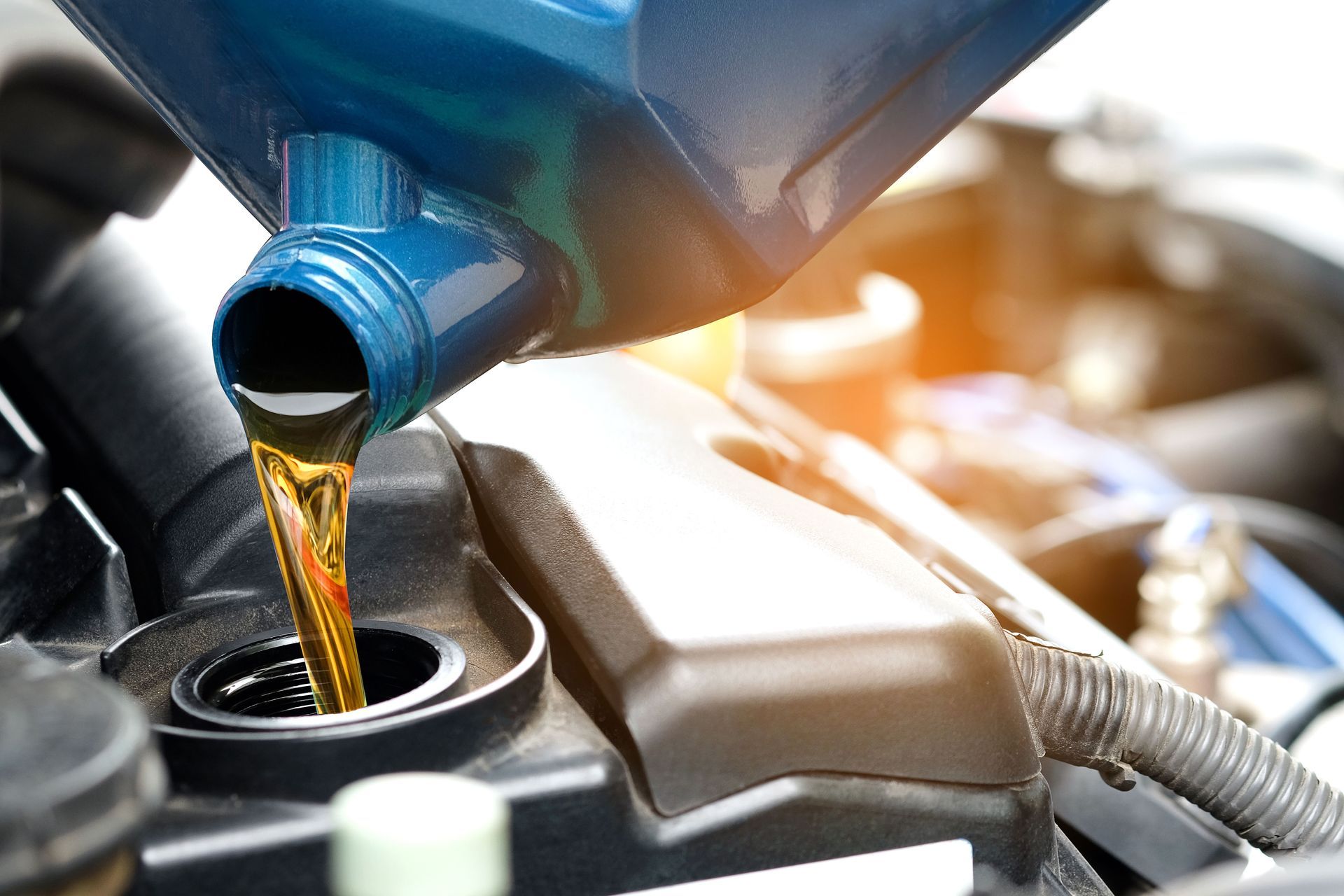
Conversely, a rapid drop in oil levels without a visible puddle on the ground suggests the engine is consuming oil internally. This often happens through the turbocharger seals or the crankcase ventilation system. Constant topping off is not a solution, as the underlying cause will eventually lead to a "runaway" engine scenario where the machine feeds on its own oil supply.
Coolant loss is equally dangerous and often more elusive. If there are no external leaks but the reservoir keeps dropping, the liquid is likely being burned in the combustion chamber or leaking into the oil through a failed oil cooler. A professional diesel engine service includes pressure testing the cooling system to find these hidden leaks before they cause an overheated engine and a warped cylinder head.
Persistent Warning Lights and Temps
The dashboard is your first line of defense against mechanical ruin. A "Check Engine" or "Service Engine Soon" light is triggered by sensors that detect parameters falling outside of safe operational limits. Even if the truck seems to be running fine, these codes often represent "soft" failures in the emissions system or fuel sensors that will eventually trigger a forced derate mode.
Operating temperatures must remain within a specific window to maintain structural integrity. If your temperature gauge begins to climb higher than usual during standard hauls, the cooling system is no longer shedding heat effectively. This could be due to a restricted radiator, a sticking thermostat, or a failing fan clutch that needs a professional diesel engine service to rectify.
Oil pressure fluctuations are perhaps the most urgent warning a driver can receive. If the oil pressure light flickers at idle or drops during operation, the engine is not receiving the film of protection it needs to keep metal parts from touching. Immediate shutdown and professional assessment are the only ways to save the rotating assembly from welding itself together under the extreme heat of friction.
Taking swift action through a diesel engine service when these symptoms appear is the hallmark of a responsible owner. By prioritizing professional diagnostics at the first sign of trouble, you protect your investment and maintain the safety of the road. Consistent attention to these red flags keeps your heavy machinery operating at peak performance levels. Contact FAS Diesel LLC today to schedule an inspection and keep your vehicle operating at peak performance.